

It’s my second time in Tokyo. The first time was back in 2017 with a pre-arranged itinerary. That one, though, was more of a side trip. This time around, we are exploring Tokyo itself on a DIY basis. Though there were certain places we were required to visit as part of the team building activity, the how and when to get to those places, we would have to arrange on our own. We were given a set budget and a few tips here and there on how to go about it, but it’s really up to us to manage time and resources – from the commute to the food to the activities and other places we can visit during our spare time.
It was a very challenging experience, especially the commute part. Tokyo is a huge city, and navigating the transport system can be quite daunting. For example, one can easily get lost in the complexity of its rail network. This is definitely something I would like to learn and master even further when I decide to come back in the future.
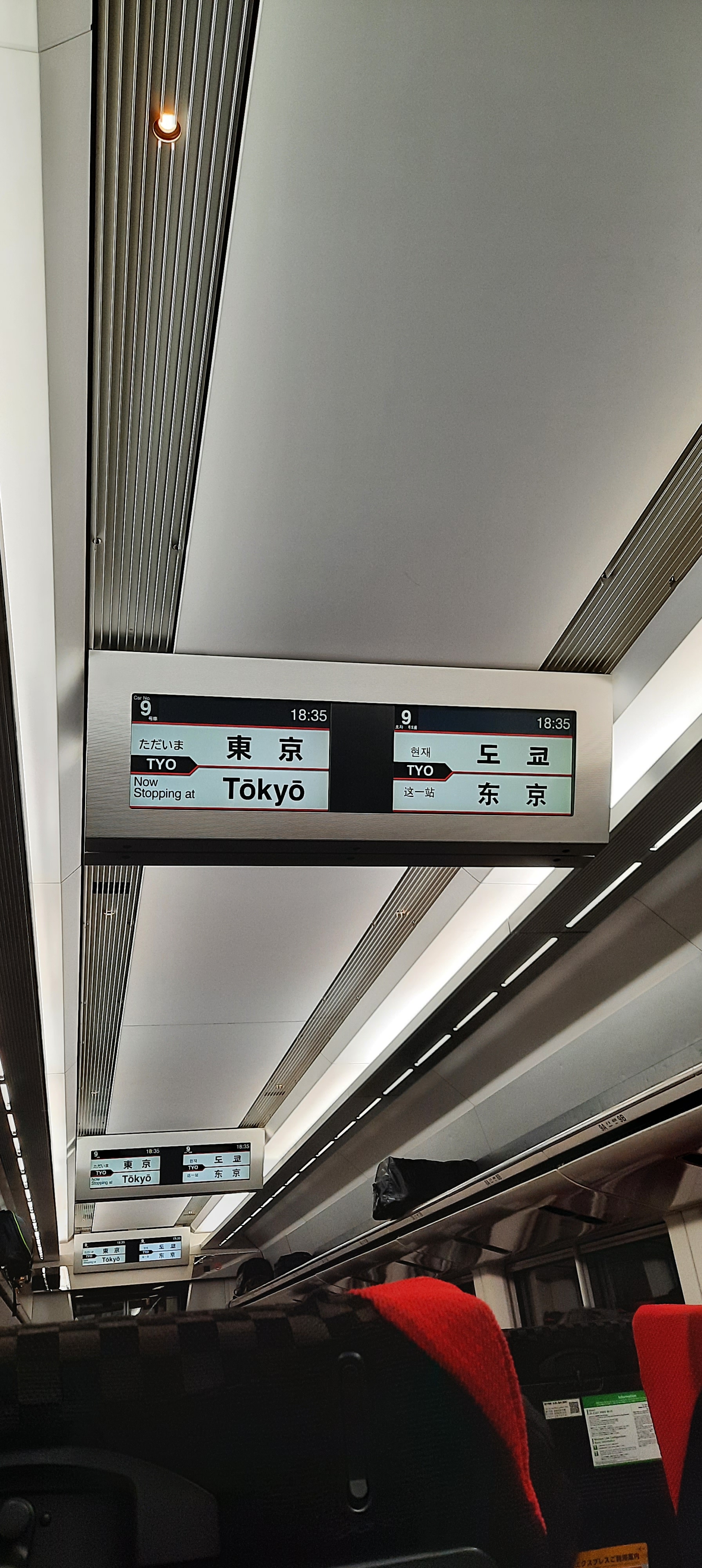
Whenever we get into the train car, I look at the monitor to see if the station we are supposed to go to is part of the route. Luckily, for the most part, we were correct. But there are times we were not. Although stations have signages, I often feel we are going through a maze. Some in our group, who I think have experienced traveling to Tokyo before and with better command of the Japanese language, would discuss whether we are heading in the right direction. That, and with help from Google Maps, locals, and staff of the rail company, have helped us get through most of our journey.
I’m unsure if my observation is correct, but it seems platforms are shared between lines. Someone has told me that train cars in Japan can detach from one another and change tracks midway. I’ll give props to the Japanese for their innovation and efficiency, but again, it can be confusing to someone unfamiliar with this kind of system and infrastructure. It’s very easy for someone to jump into the wrong car.
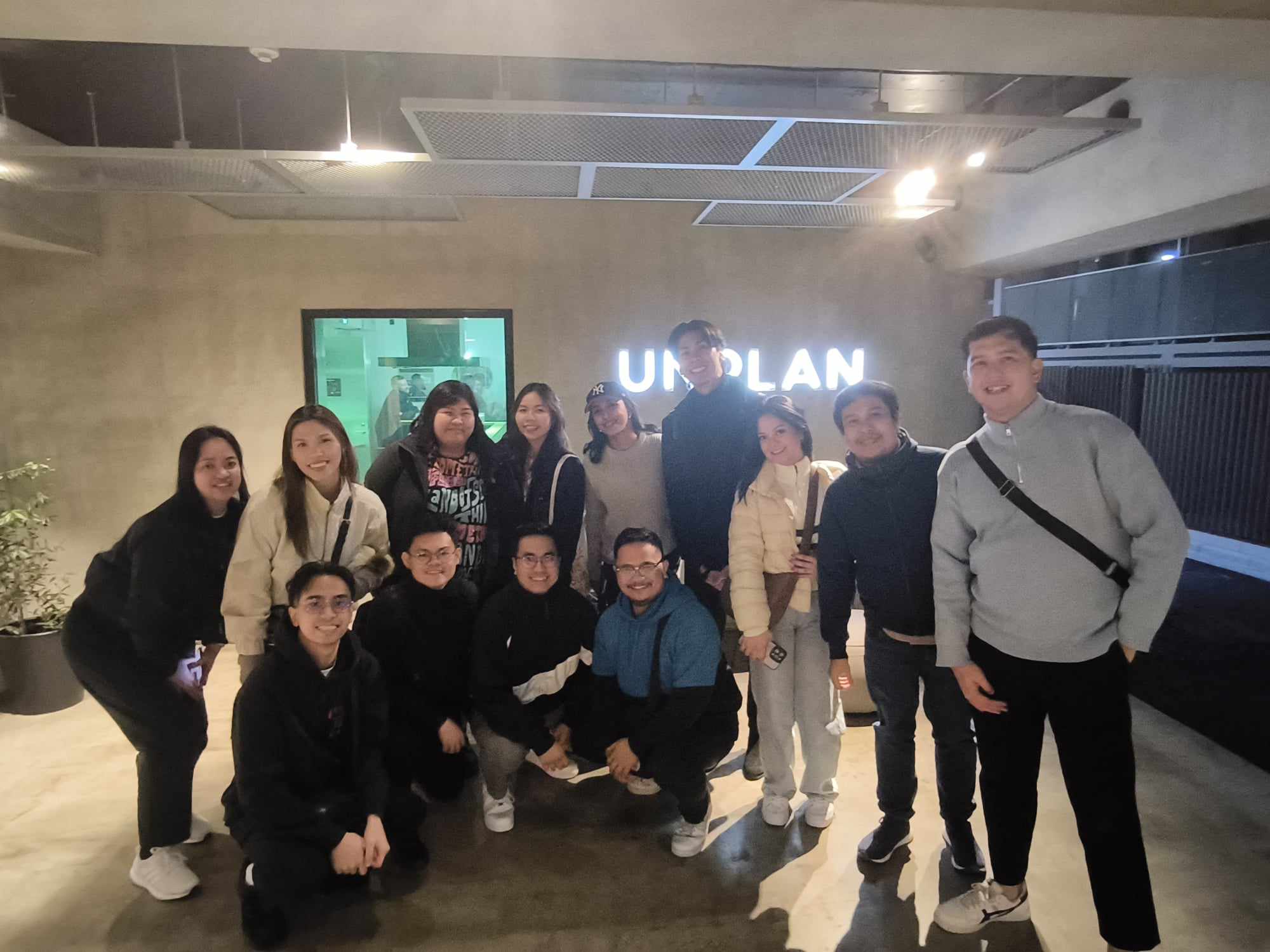
In keeping up with the DIY theme and better managing the budget, the company had us stay at UNPLAN, a dorm-style accommodation where rooms, toilets, and baths are shared with other guests. Is this what you call a capsule or a pod? It has rows of enclosed bunk beds with limited personal space for each.
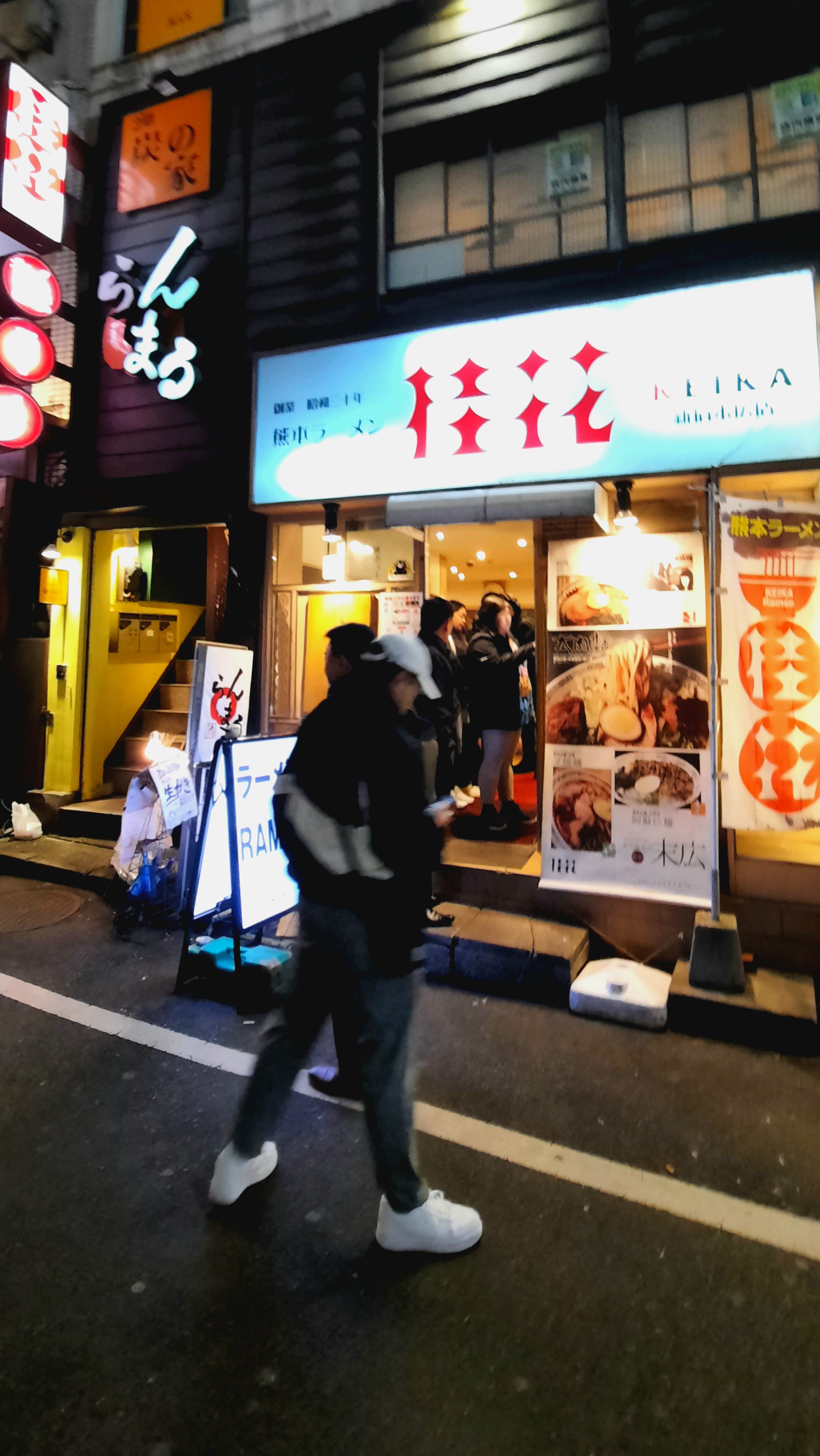
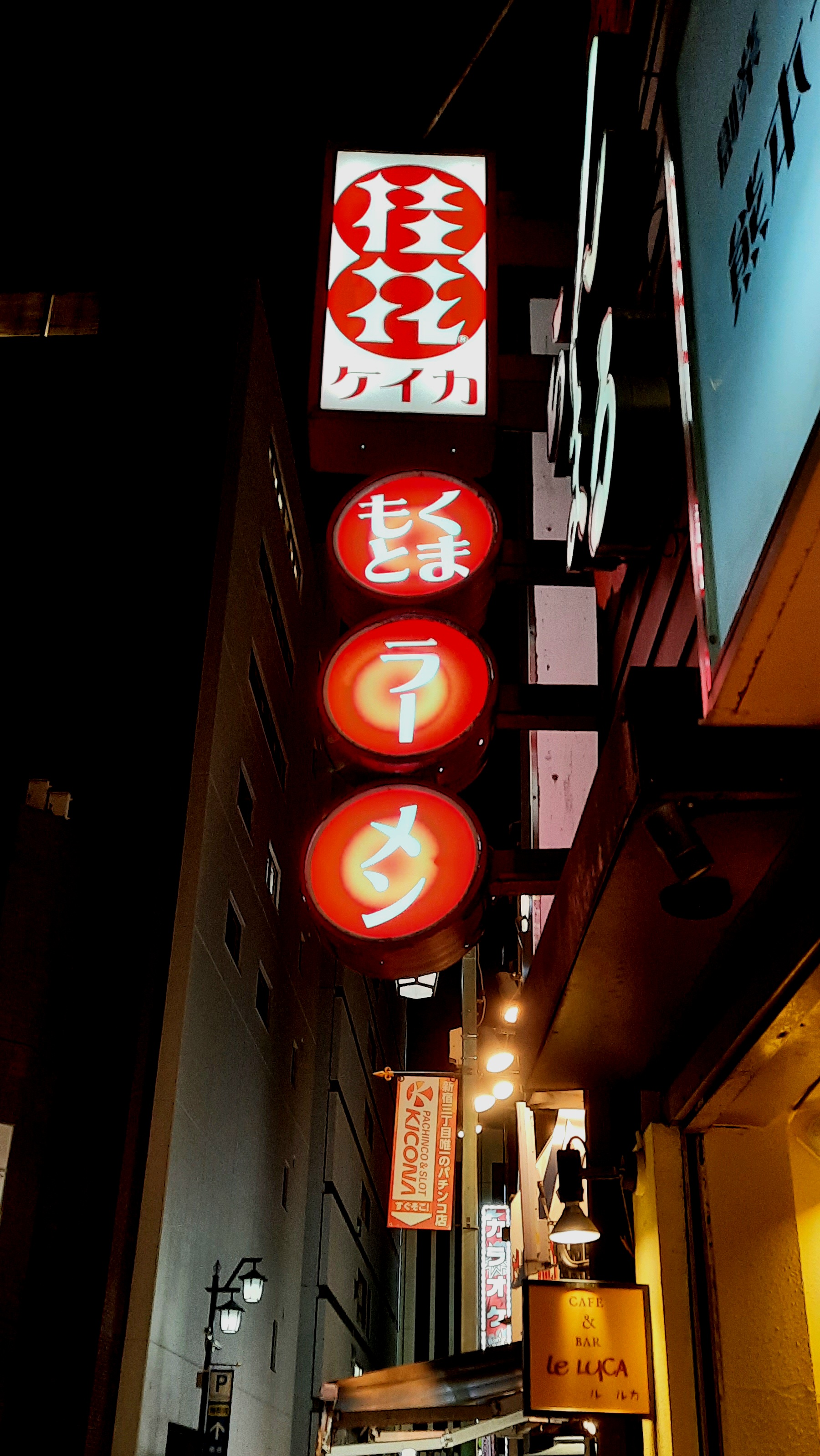
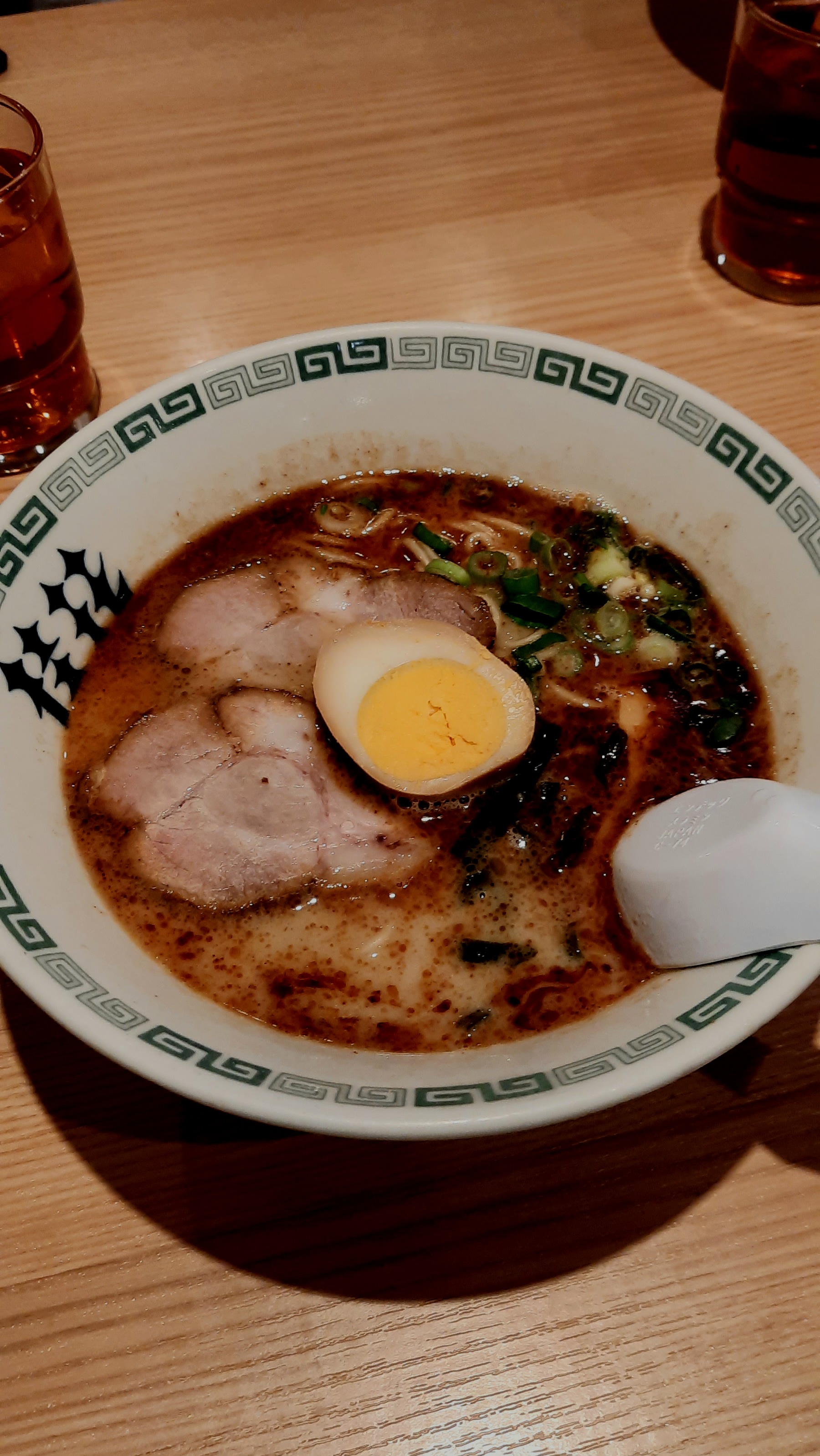
It was a long walk from the Shinjuku station to UNPLAN and pretty much just a long day for our group, so the moment we arrived, we were already scouring for food. What’s an excellent accompaniment to the cold weather that has become quintessentially Japanese? Ramen!
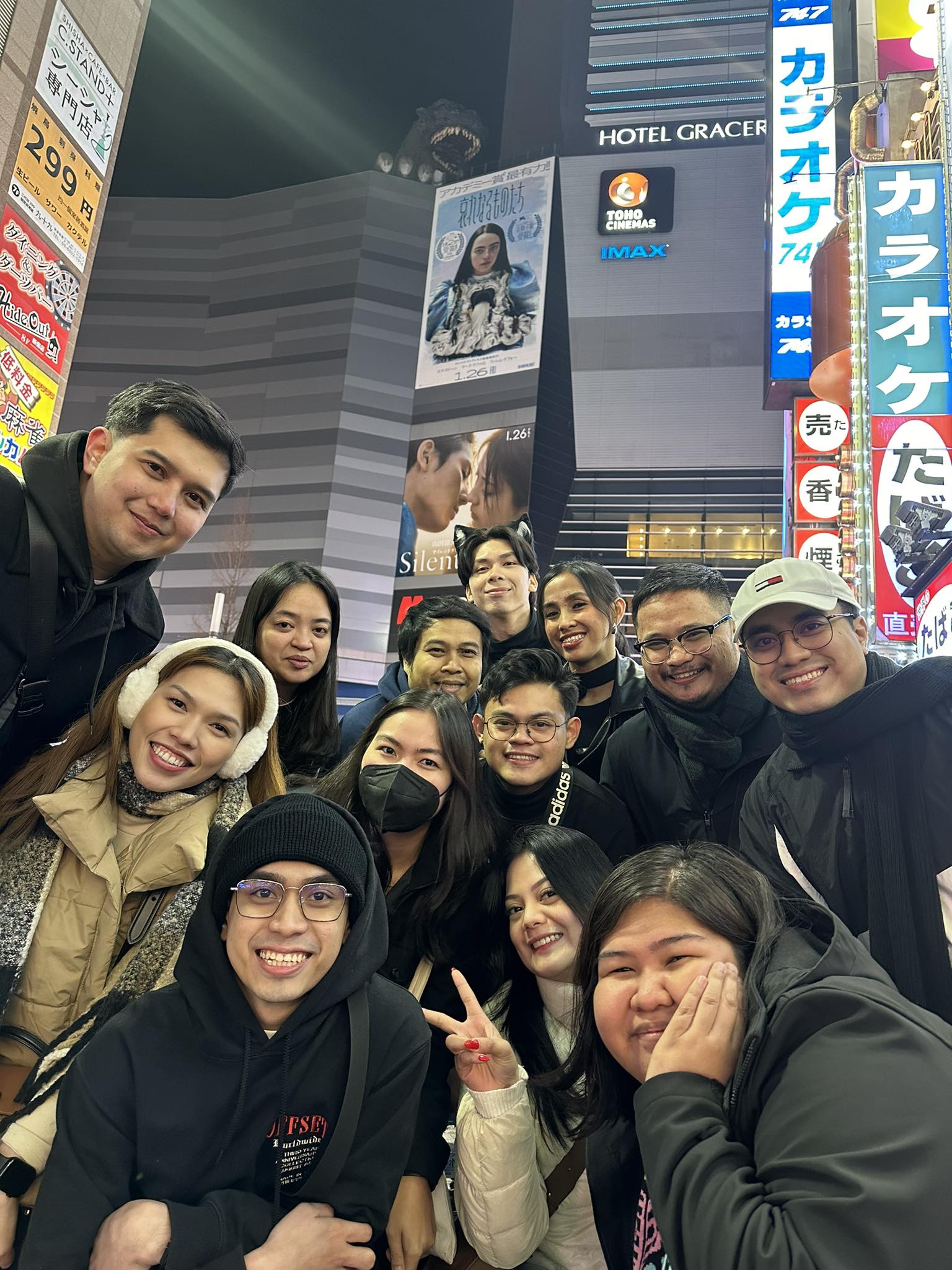
The team’s first mission was to take a group photo with Godzilla in central Shinjuku. Do you see Godzilla in the photo?
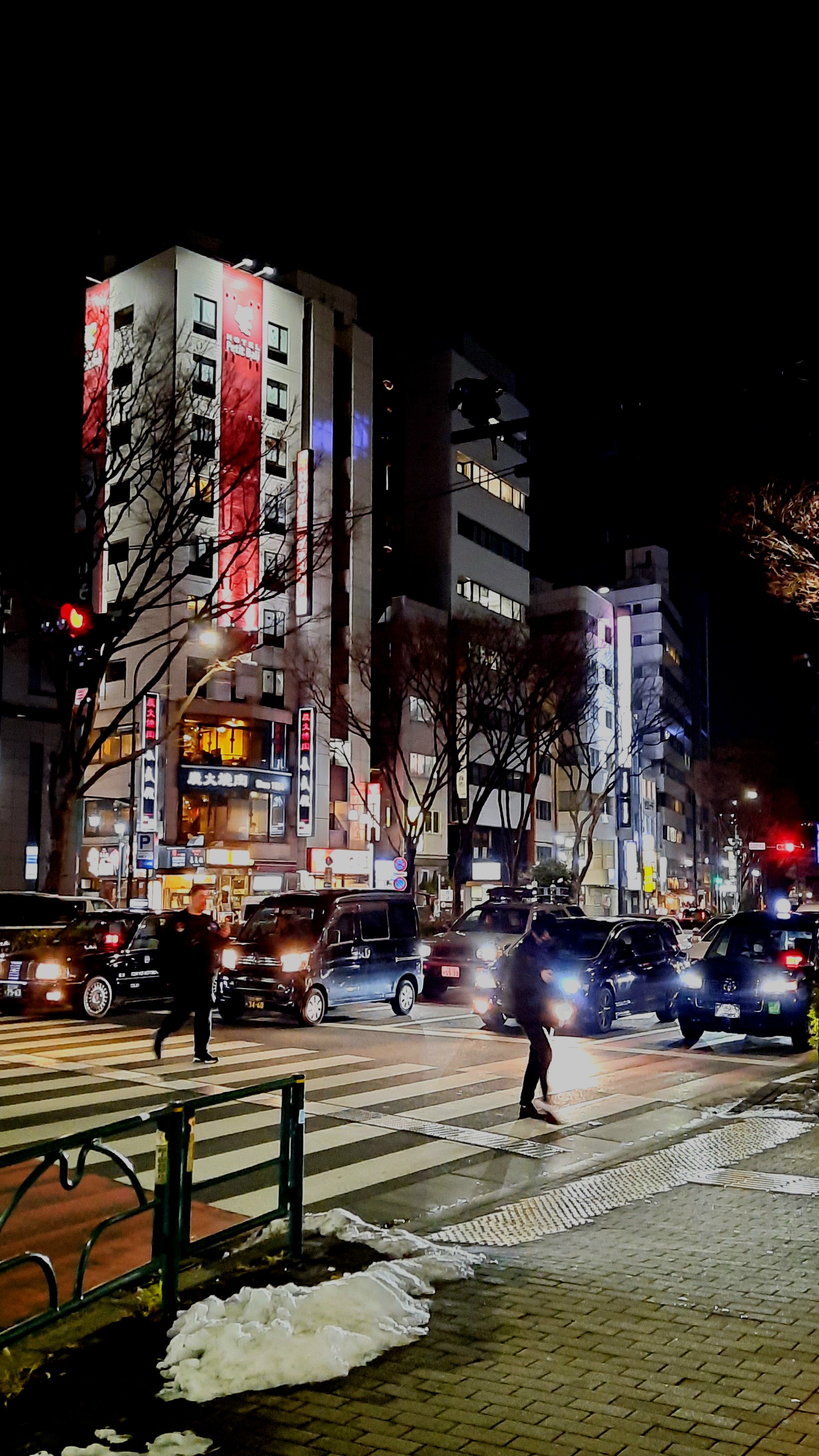
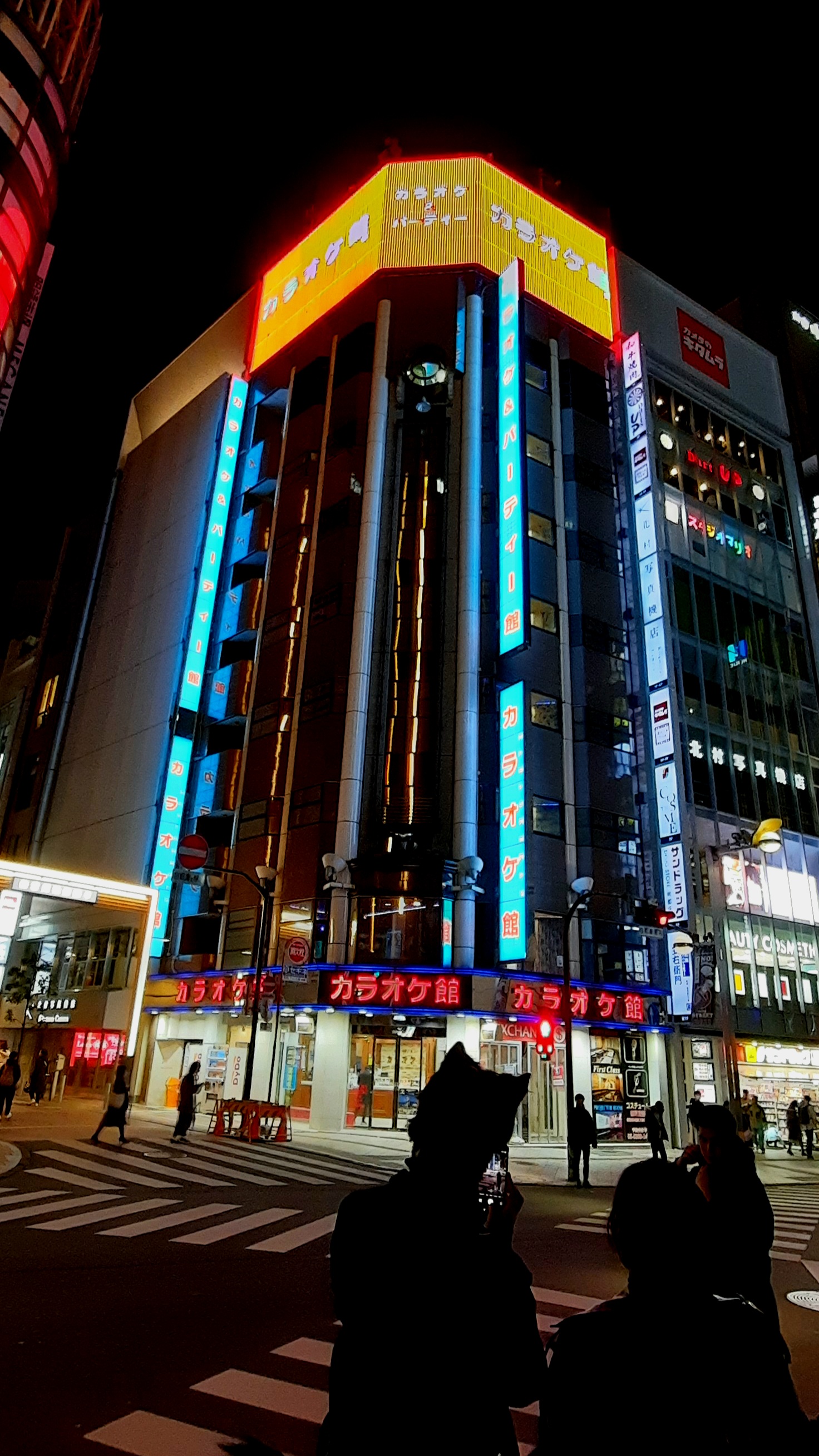
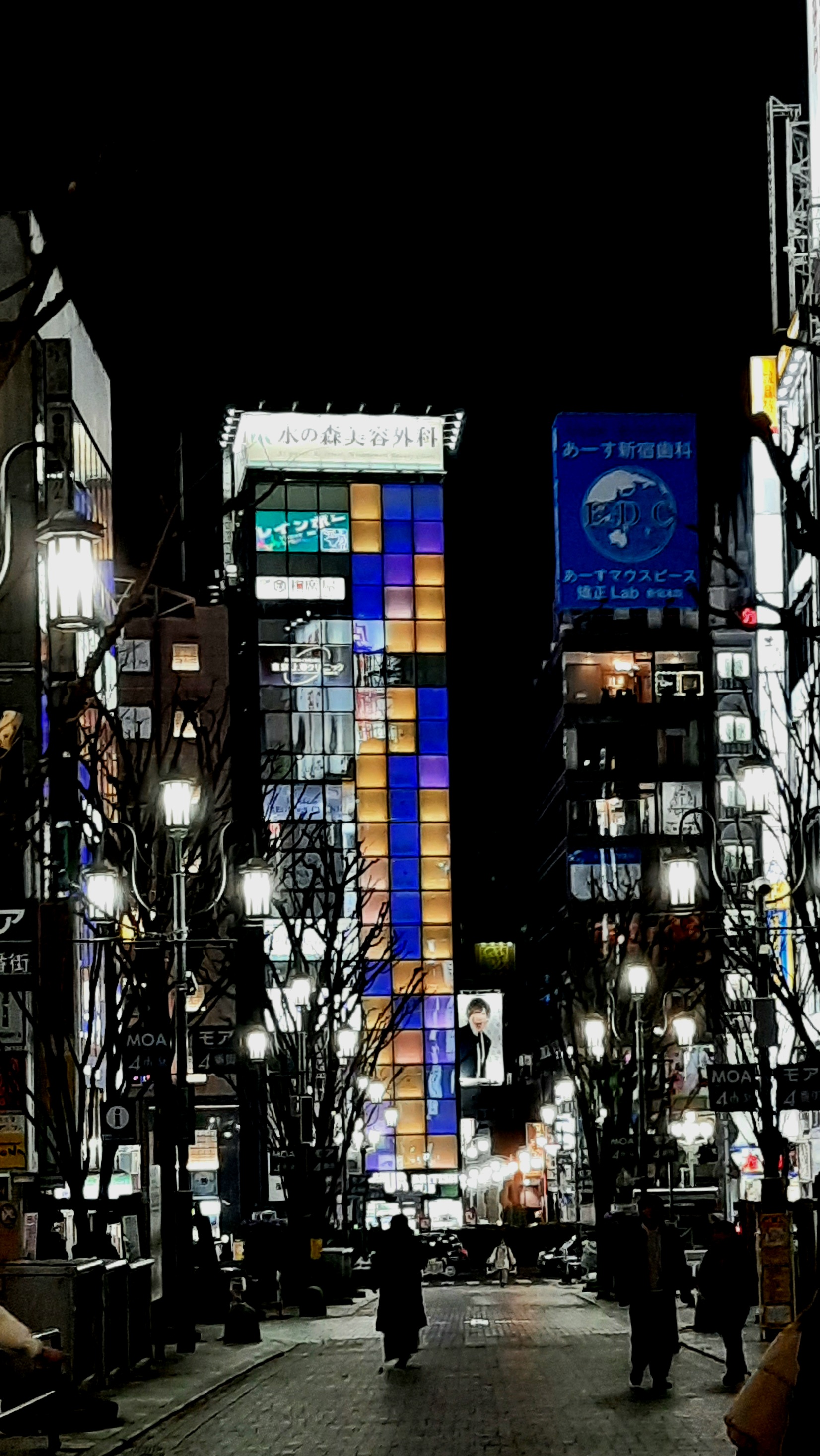
While there, we were treated to the city’s bright lights. It was electric.
 Zero Ain't Hero